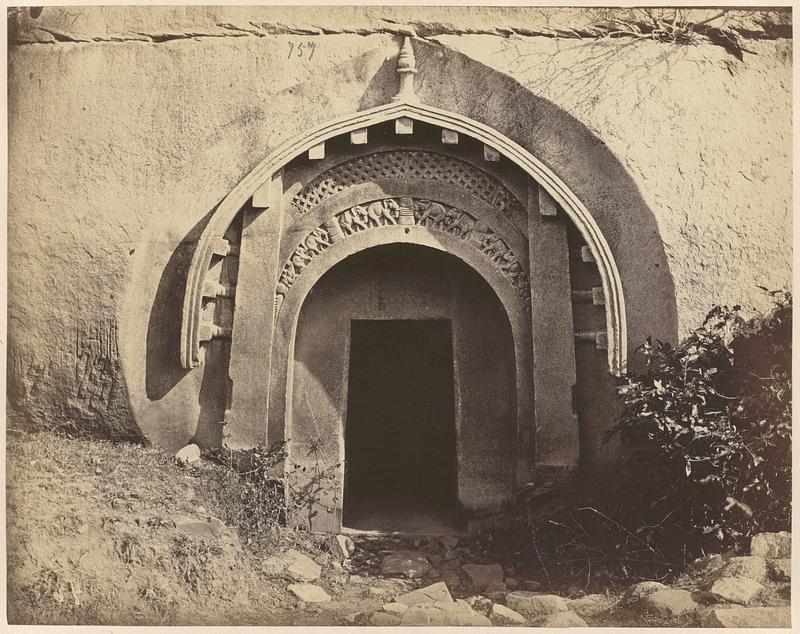
KEY FACTS
- Location: Barabar and Nagarjuni hills, Bihar, India
- Period: Third century BCE
- Site: A group of rock-cut chambers
- Distinguishing features: Lustrous stone and striking acoustics
- Category: Ancient Mysteries
A small doorway opens into the granite hillside. Inside, a patch of light catches the wall, and the stone shines. Say something, and the room seems to answer.
The Barabar Caves in Bihar are more than two thousand years old. From outside, their entrances give little warning of what lies beyond: bare chambers, curved ceilings and surfaces polished until the granite can hold a reflection. There is almost nothing inside them. The workmanship is the spectacle.
Some of the walls carry inscriptions left by royal patrons. Other surfaces preserve the marks of unfinished work. Between them, they tell us more than the familiar stories of impossible ancient technology suggest — but less than we might wish. The people who received these rooms have left no surviving account of what it was like to use them.
THE BARABAR QUESTION
Who made these extraordinary interiors, for whom—and why does the answer remain incomplete?
Related Reports — Ancient Mysteries
THE INVESTIGATION CONTINUES
Inside the dossier: what the inscriptions say, what unfinished stone reveals, and where the more extraordinary claims outrun the evidence.
Unlock the Full Barabar Caves Dossier →